
2026-11-28 ·
How to Check for Storm Damage on Your Newark Roof
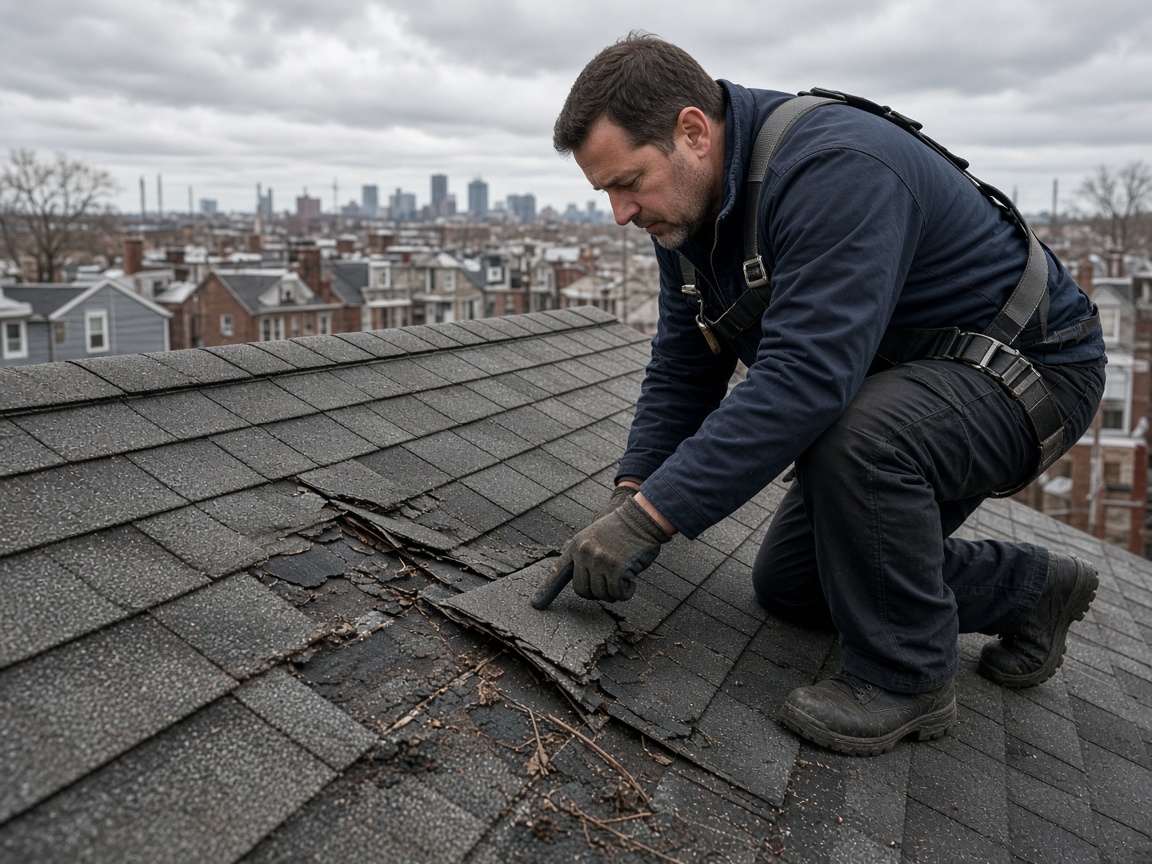
After a major storm in Newark, start your inspection from the ground using binoculars on a clear day, scanning for missing shingles, dented flashing, or sagging sections along the ridge line. Focus first on south-facing slopes that take the brunt of wind-driven rain common in Essex County's hot summers and cold winters. Document every visible change with photos dated and timed, noting any debris from nearby landmarks like Branch Brook Park or the Prudential Center area.
Spotting Wind and Hail Damage on Asphalt Shingles
Walk the perimeter and look for shingles that have lifted edges, cracked tabs, or granular loss exposing the mat underneath. In neighborhoods like Vailsburg and Weequahic, older housing stock from the early 1900s often features three-tab shingles that tear more easily during 50-plus mph gusts that accompany summer thunderstorms. Check around chimneys and skylights where flashing can bend or pull loose, allowing water to enter during the next cold winter freeze-thaw cycle. Granules collected in gutters after a storm signal interior mat damage that will shorten remaining service life.
Checking Flat Roofs Common in Downtown Newark and Ironbound
Flat roof systems on commercial and multi-family buildings in Downtown Newark and the Ironbound require a different approach after storms. Examine the membrane for ponding water, blisters, or splits along seams, especially near drains that can clog with leaves from mature trees lining streets in those wards. Use a moisture meter on interior ceilings below the roof deck if accessible, because hidden saturation in insulation often appears weeks later as stains. Cold winters in Essex County turn small punctures into larger cracks once ice expands.
Inspecting Gutters, Soffits, and Attic Ventilation
Clogged or pulled gutters after heavy rain allow water to back up under shingles, a frequent issue in Central Ward and North Ward homes with narrow lots. Check soffit and fascia boards for rot or separation where wind has forced water behind them. In the attic, look for daylight coming through the deck or damp insulation near eaves, which points to compromised ventilation that worsens during humid summers. These signs often appear first in older stock near Newark Penn Station.
Documenting Damage for Insurance in University Heights and South Ward
Photograph every affected area from multiple angles before any cleanup, including close-ups of dents in metal flashing or displaced ridge caps. Note the date of the storm and compare with weather reports for Newark Liberty International Airport. Homes in University Heights and South Ward near the New Jersey Performing Arts Center frequently see tree limb impacts that create punctures not visible from the street. Keep records organized by roof section to support any later claim process.
If widespread granule loss, multiple missing shingles, or interior water stains appear, schedule a roof inspection to assess whether targeted storm damage roof repair or full replacement makes sense. Review the differences in our guide on when to replace vs repair a roof in Newark and prepare documentation for insurance claim assistance if needed. Early detection prevents escalation during the next round of Essex County weather.